Measuring reciprocity
When it comes to stakeholder engagement, understanding reciprocity is critical to navigating the stakeholder network. Why does this matter? Because comms is the part of the system most exposed to relational imbalance, and the part most punished when that imbalance accumulates. Comms carries the relational risk of the whole organisation, but often without the instrumentation to see it. In any stakeholder network, every exchange creates movement and the need for balance. Because every movement [...]

Tauutuutu
Tauutuutu is one of the most interesting words in the topology of relational fields. It describes a pattern of alternating, escalating reciprocity, not just balanced exchange, but the ongoing movement that maintains relational equilibrium. For those of us who act as kaitiaki of relationality, this idea sits at the centre of our work.Breaking it down:Tau – to settle, arrive, be in place, be in balanceUtu – reciprocity, the return that restores equilibriumUtuutu – reduplication signalling [...]
From Aka to Whakapapa
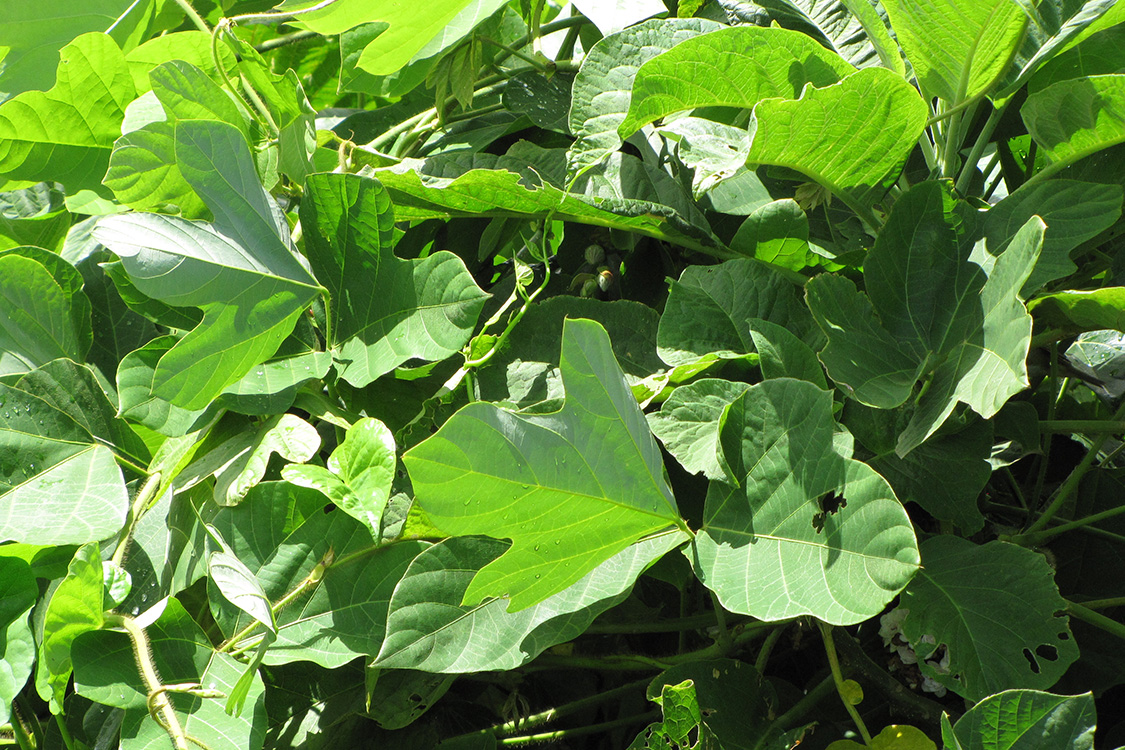
Whakapapa is often described as uniquely Māori — the architecture of the universe as it expresses through people, plants, animals, waters, winds, even rocks. It’s powerful, and for a long time I wondered why there wasn’t an obvious equivalent across wider Polynesia. In that search, I kept running into aka. Literally, aka is a vine, often the kudzu or arrowroot vine (Pueraria lobata), reconstructed all the way back to Proto‑Oceanic as Raka. But metaphorically, across [...]
The Whakapapa of Plants
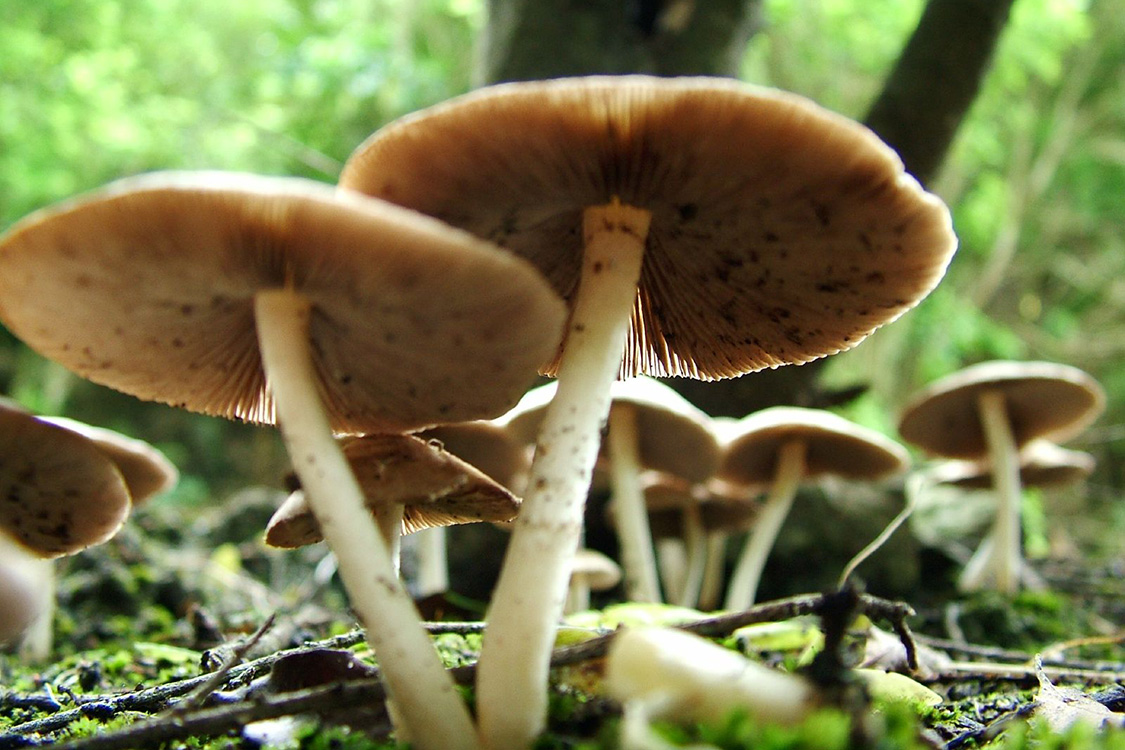
There is a relational field living beneath our feet. And it seems Māori knew about this long before Western science had the instruments to detect it. I remember attending a two‑day workshop on te ao Māori run by someone from MPI. He spoke about a river and the interconnectedness of the people, the rocks, the water, the plants, the fish — not as metaphor, but as reality. A single living system. A single whakapapa. When [...]
Discovery
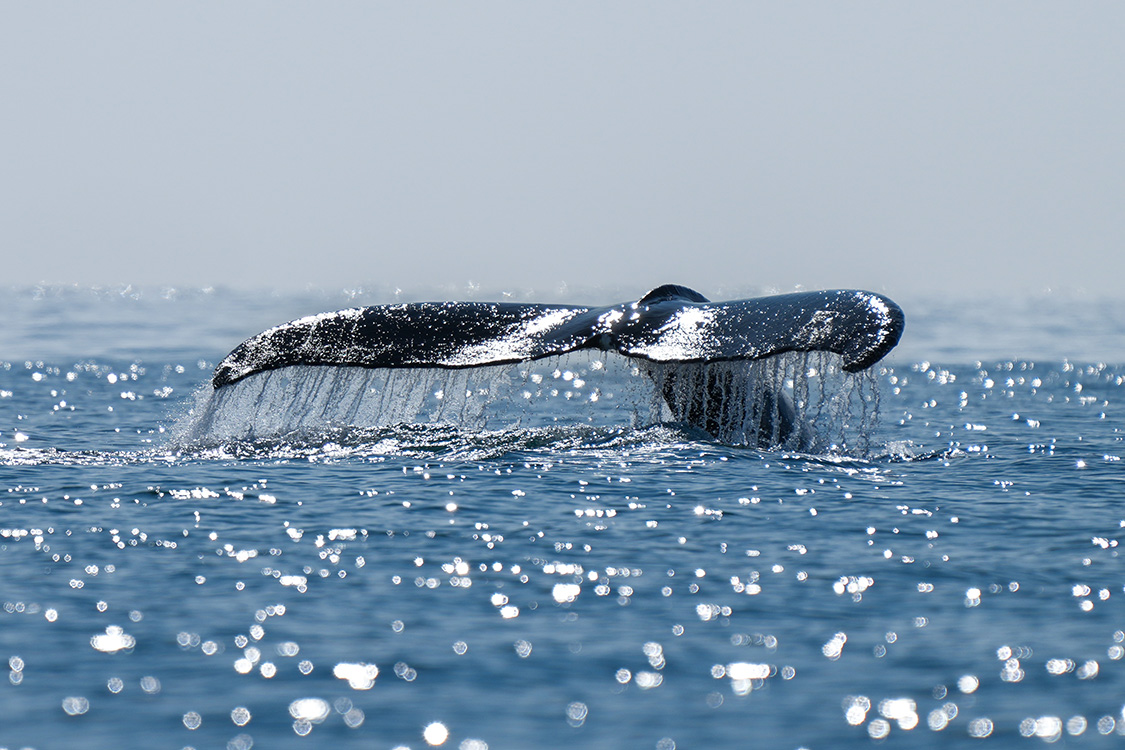
The discovery of Aotearoa and Hawai’i was never a mystery to the Polynesian mind. It emerged from a different scientific paradigm, one that treated the planet as a relational field. For Polynesian navigators, the ocean was a living map of biological vectors. Once you understand that, the so‑called “mystery” of finding a 2,200‑mile needle dissolves into a sequence of disciplined, relational observations: Long‑Range Vectors (The Highway): Whales and migratory birds aren’t wandering; they’re commuting. When [...]
Stakeholder Engagement
I’ve been banging on about relationality for a while now, using Polynesian approaches to science, navigation, and locating oneself in the world to show what a relational worldview looks like. I’ve surfaced relationality through Polynesian thought because that’s where it is most fully alive and because I identify as such. But when we shift the conversation to stakeholder engagement, things get interesting. Because engagement is usually framed as a communications skill. And relationality is not [...]