Aroha
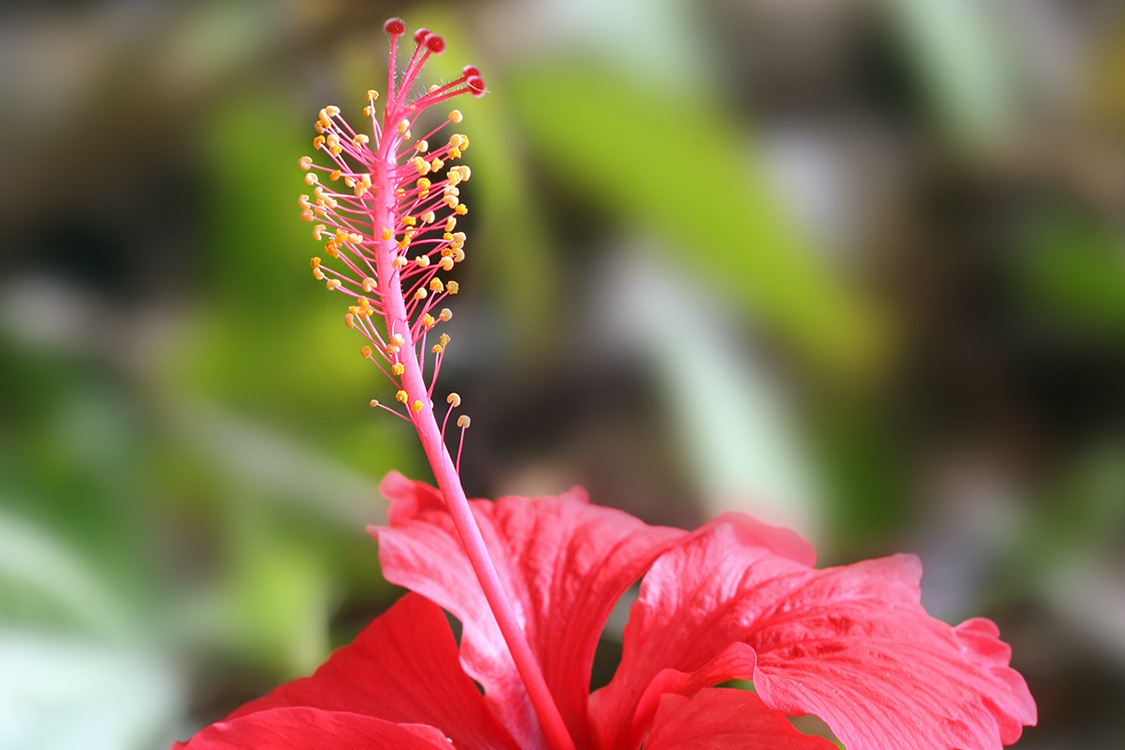
The Polynesian word for love tells a very different story from English In English, love is reconstructed from Proto‑Germanic *lubo, ultimately from the Proto‑Indo‑European root *leubh‑, meaning to care, desire, love. Desire sits at the centre of the concept. Polynesian languages tell a very different story. Across the Pacific you’ll recognise a family of words — aloha, alofa, talofa, aroha — all descending from a single ancestral source. Their lineage traces back to the Formosan [...]
Polynesian Pharmacopoeia
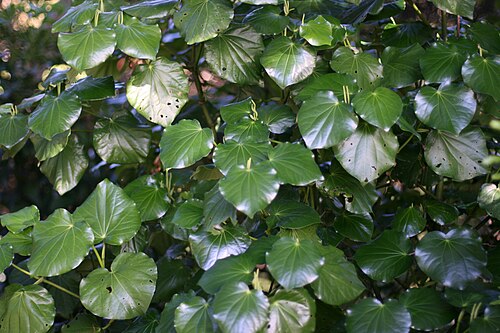
When Māori arrived in Aotearoa, they faced a profound challenge: their familiar pharmacopeia was gone. Coconut, turmeric, ginger, kava, etc. None would grow here. They had to rebuild from the ground up: • identifying new species • testing medicinal properties • determining toxicity • mapping ecological relationships Yet Māori weren’t starting from nothing. They carried with them a 5,000‑year Austronesian medical epistemology, coherent, relational, ecological, spiritual. Western taxonomy asks, “What is this thing?” Māori taxonomy [...]
Aute
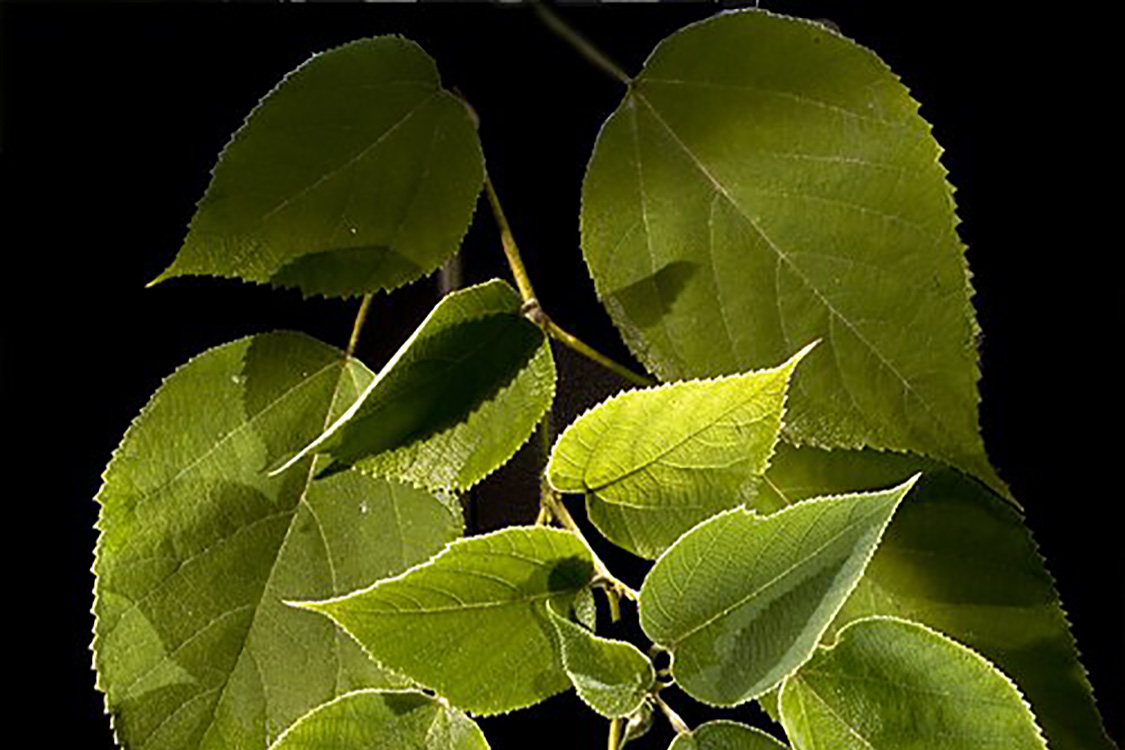
The paper mulberry, remembered in the wider Austronesian world through the an ancient word malaw and later called aute by Eastern Polynesians, was so important that it travelled as part of the voyaging package carried across the Pacific. It was a prized barkcloth plant whose inner bark was beaten into tapa cloth, a material central to clothing, ceremony, and identity across Moana Oceania. Although the plant was better suited to tropical climates, Māori were able [...]
Whanaungatanga
Whanaungatanga isn’t just a definition. It’s a lived rhythm. It’s the way relationships knot us together, the ties that make us more than individuals. Shared experiences tighten those knots, and the net holds. Belonging isn’t abstract. It’s felt in the everyday weave of life. In te ao Māori, whanaungatanga is foundational. It reminds us we are strands in a kupenga, woven into each other. Family, friends, wider society, all interconnected, all part of the same [...]