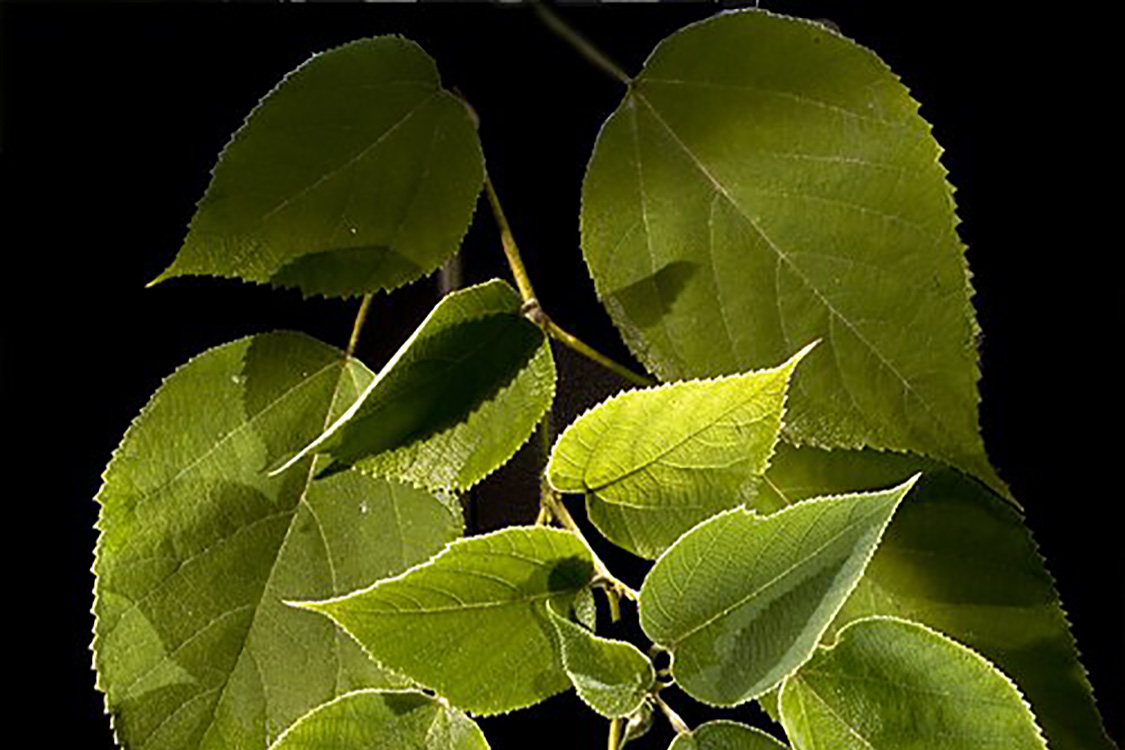
The paper mulberry, remembered in the wider Austronesian world through the an ancient word malaw and later called aute by Eastern Polynesians, was so important that it travelled as part of the voyaging package carried across the Pacific. It was a prized barkcloth plant whose inner bark was beaten into tapa cloth, a material central to clothing, ceremony, and identity across Moana Oceania.
Although the plant was better suited to tropical climates, Māori were able to cultivate aute in a small number of particularly warm locations in Aotearoa. These included the Far North, Hawke’s Bay, and the East Coast of the North Island, where it survived in limited quantities despite the cooler climate.
Across the Polynesian world, the word malo (malaw) refers to the plant in some regions, to the barkcloth material itself, and to the garments made from it. In Māori, maro refers to a kilt or apron, preserving the memory of a garment once made from barkcloth.
When James Cook arrived in New Zealand, aute had become scarce and was used only for small ornamental items such as rolled earrings. Yet when Māori were presented with tapa from other parts of Polynesia, they recognised it immediately. The knowledge of barkcloth had almost outlived the plant itself.
Aute was not simply grown. It was cloned, carried, protected, and replanted across generations. It represents the deliberate spread of a civilisation and its technologies from Southeast Asia and the wider Austronesian world into Polynesia and finally to Aotearoa.
Aute survived the longest not just because the plant was strong, but because the relationships around it were strong. It lived where people created the right conditions, protected it, shared knowledge about it, and understood its purpose in the wider system. When those relationships weakened — through climate pressure, land-use change, or shifting priorities — the plant disappeared, even though the knowledge remained.
This is the heart of stakeholder engagement:
People sustain what they feel connected to.
They protect what they understand.
They carry forward what they value together.
Stakeholder engagement is not about managing people. It is about cultivating the conditions in which something can live.
—
References
Te Māra Reo – Proto‑Polynesian etymologies for aute, malo, and related barkcloth terms.
Te Ara Encyclopedia of New Zealand – Aute: paper mulberry (Ngā tupu mai i Hawaiki – plants from Polynesia).
E‑Tangata – Crafting Aotearoa: The Ancestry of Te Aute.
POLLEX Online – malo entry: https://pollex.eva.mpg.de/entry/malo/
Chang, C‑S., Liu, H‑L., Moncada, X., Seelenfreund, A., Seelenfreund, D., & Chung, K‑F. (2015).
A holistic picture of Austronesian migrations revealed by phylogeography of Pacific paper mulberry.
Proceedings of the National Academy of Sciences, 112(44), 13537–13542.
https://europepmc.org/article/PMC/PMC4640734






Leave A Comment
You must be logged in to post a comment.